
The right wine storage solution is a reflection of how you collect, how you entertain and how you want wine to fit into your home. Both a wine room and a wine cabinet offer climate controlled environments designed to protect your collection, but they serve quite different needs and lifestyles.
Before landing on one or the other, it’s worth thinking beyond the bottle count. How quickly is your collection growing? Are you cellaring wines for the long term or keeping a well curated selection ready to enjoy? How much does presentation matter in your living or entertaining spaces? The answers will point you in a clear direction.
Space and Design Flexibility
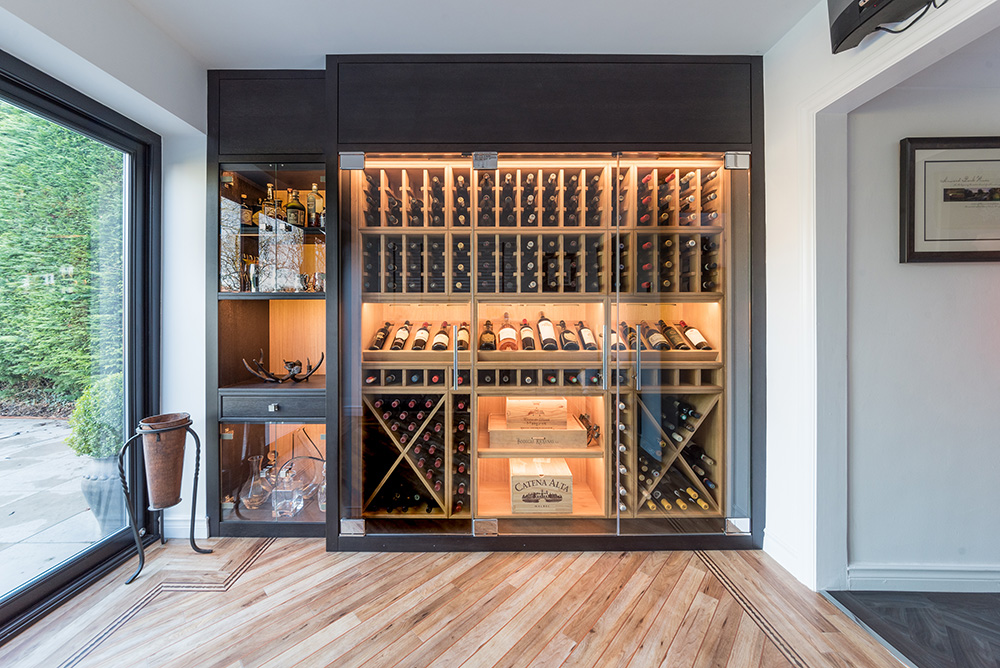
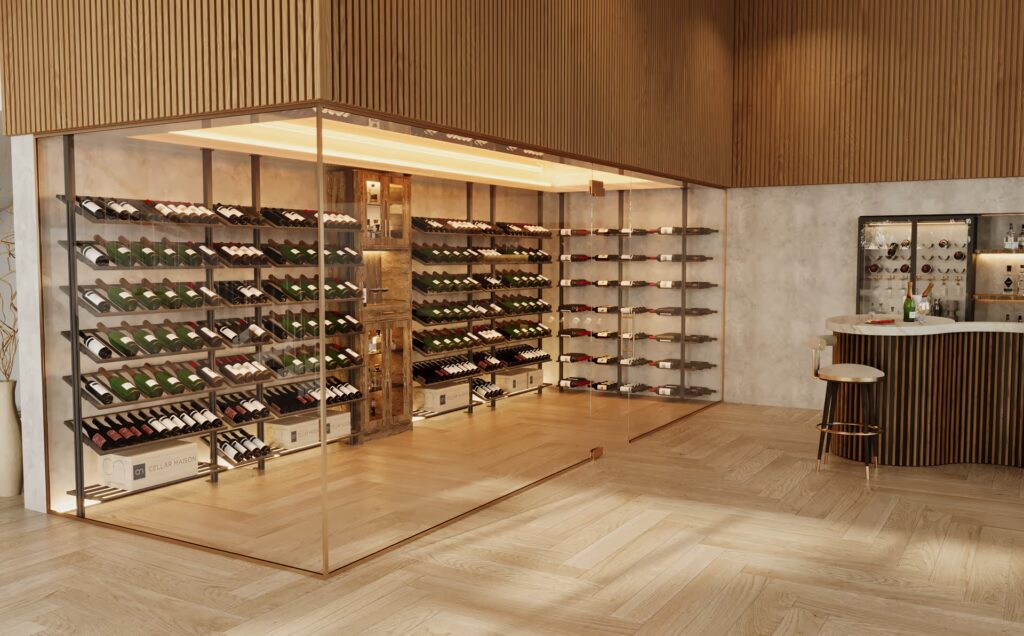
A custom wine cellar is built into your home and designed around the space you have. It might occupy an unused corner of a living area, a converted under-stair void, a spare room, or form part of a broader renovation. Because it’s custom designed from the ground up, every element can be tailored — shelving configurations, lighting, glass walls, door styles, and finishes can all be chosen to suit your interior and your aesthetic.
This makes a wine room ideal for homeowners who want something that feels genuinely permanent and considered. It becomes part of the architecture rather than an addition to it. The process does require professional design and installation, with insulation, vapour barriers and a precision cooling system all carefully integrated. Done well, the result is a dedicated space that can house anything from a modest collection to several thousand bottles under consistently controlled conditions.
A wine cabinet takes a different approach entirely. Freestanding and self contained, it needs little more than floor space and a power outlet. This makes it a straightforward choice for apartments, smaller homes, or anyone who wants reliable climate control without undertaking building work. The design options are also more limited than a custom room, but a well chosen cabinet can still make an attractive statement in a dining or entertaining space.
Storage Capacity and Long Term Goals
Capacity is often what tips the decision. A wine cabinet suits collectors with a smaller or moderately sized collection well. If you’re keeping a few dozen to a couple of hundred bottles, a cabinet delivers stable temperature, protection from light and vibration, and clear organization, all without consuming a significant portion of your home.
For those with larger collections, or plans to grow one, a wine room offers far greater scalability. Custom racking can be designed to maximise density while keeping labels visible and bottles easily accessible. You might incorporate dedicated bulk storage, feature displays for special bottles or a small tasting area if space allows. This kind of thoughtful layout is particularly valuable for anyone cellaring premium wines intended for long term ageing.
There’s also the simple pleasure of the space itself as a dedicated room gives you somewhere to step inside, survey your collection at a glance and choose a bottle with a degree of quiet ceremony. For many collectors, that becomes a meaningful part of the experience.
Installation, Investment and Value
The practical differences between the two options are significant. A wine cabinet can typically be delivered and operational within days, with no structural changes required. This straightforward process tends to make it the more accessible option from an upfront cost perspective.
A wine room requires professional design, construction and a properly engineered cooling system. It represents a more considered investment, but one that can enhance both the character of your home and its long term value. A well executed space often becomes a standout feature, appreciated equally in daily life and at the point of resale.
The right choice comes down to the size of your collection, your available space, and how central wine is to the way you live.